
Hyundai Bayon Revealed in India Ahead of Launch, Nepal Debut Likely in Q1 2027



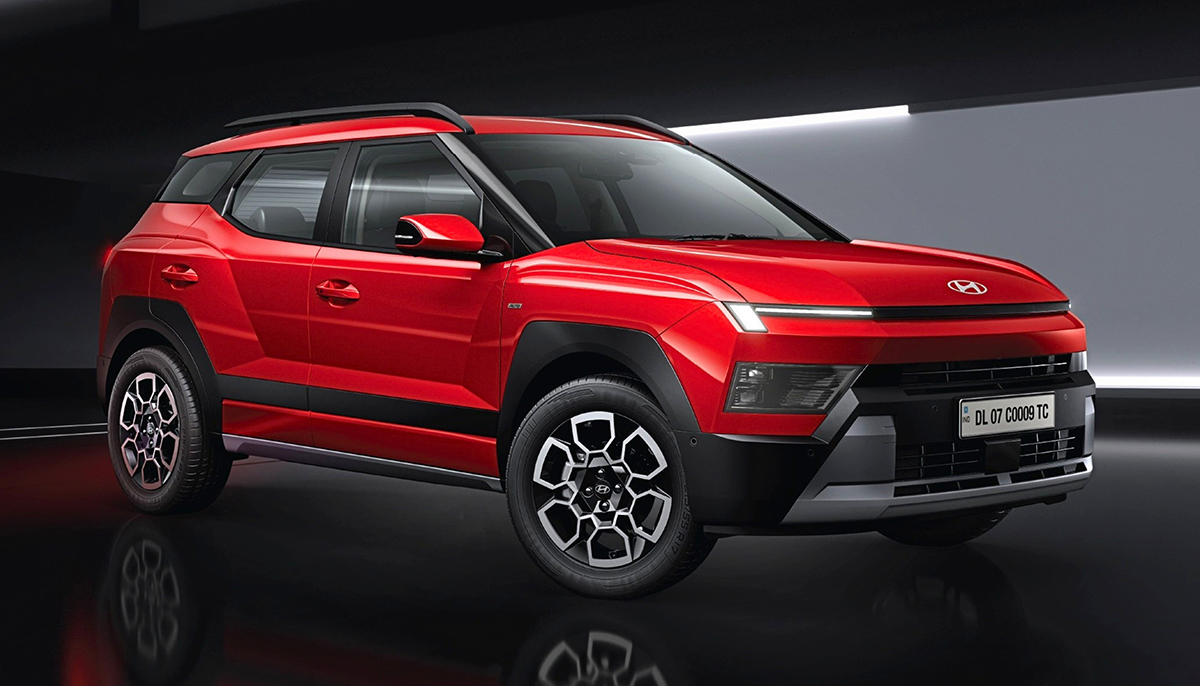
Hyundai has revealed the new Bayon SUV for the Indian market ahead of its official price announcement scheduled for October 26, 2026.
Positioned between the Venue and Creta, the new SUV features Hyundai’s latest ‘Art of Steel’ design language, a feature-rich cabin and a 1.5-litre naturally aspirated petrol engine.
The Hyundai Bayon is likely to launch in Nepal in the first quarter of 2027 (Q1 2027), although its local launch date, specifications and pricing have yet to be officially confirmed.

The new Hyundai Bayon adopts the brand’s ‘Art of Steel’ design language, with styling elements that resemble the new-gen larger Tucson. The SUV is expected to measure slightly over four metres in length, placing it below the Creta in Hyundai’s lineup.
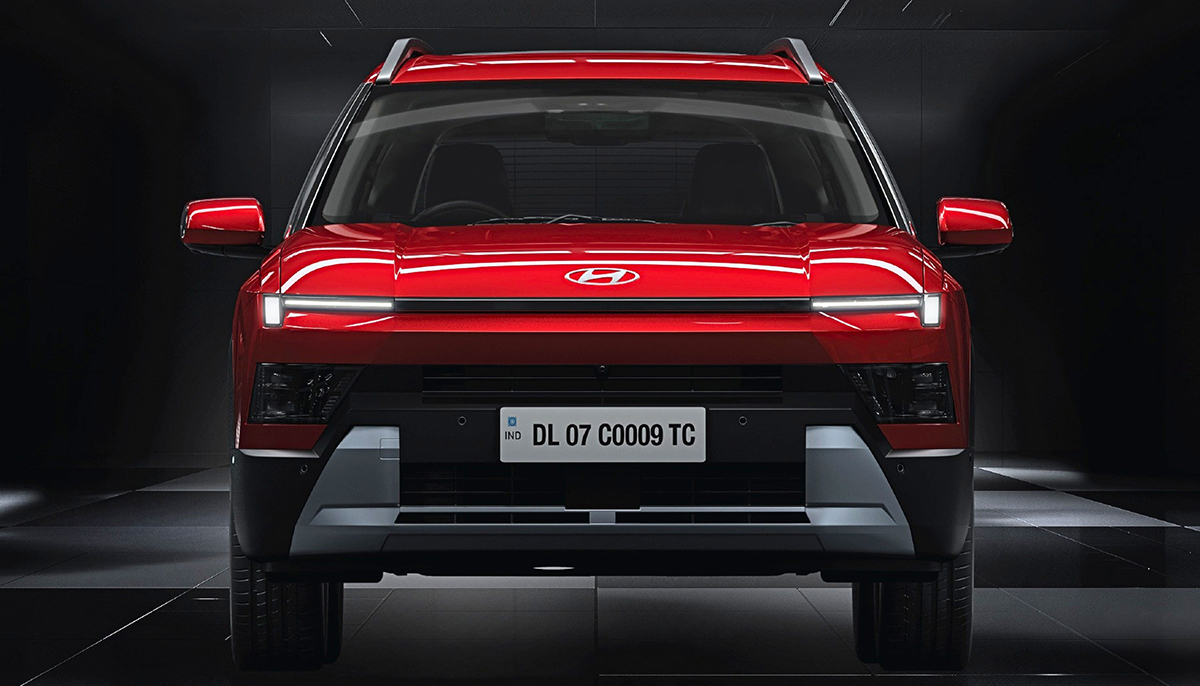
At the front, the Bayon features split headlamps and slim LED daytime running lights positioned along the leading edge of the bonnet. The DRLs follow Hyundai’s distinctive H-inspired lighting motif, while the main headlamp units are positioned lower down in the bumper.
The front bumper features black and silver cladding, giving the SUV a rugged appearance. Along the sides, flared wheel arches, sharp character lines, body cladding and 17-inch dual-tone alloy wheels add to its sporty crossover styling. Gloss-black pillars create a floating-roof effect.
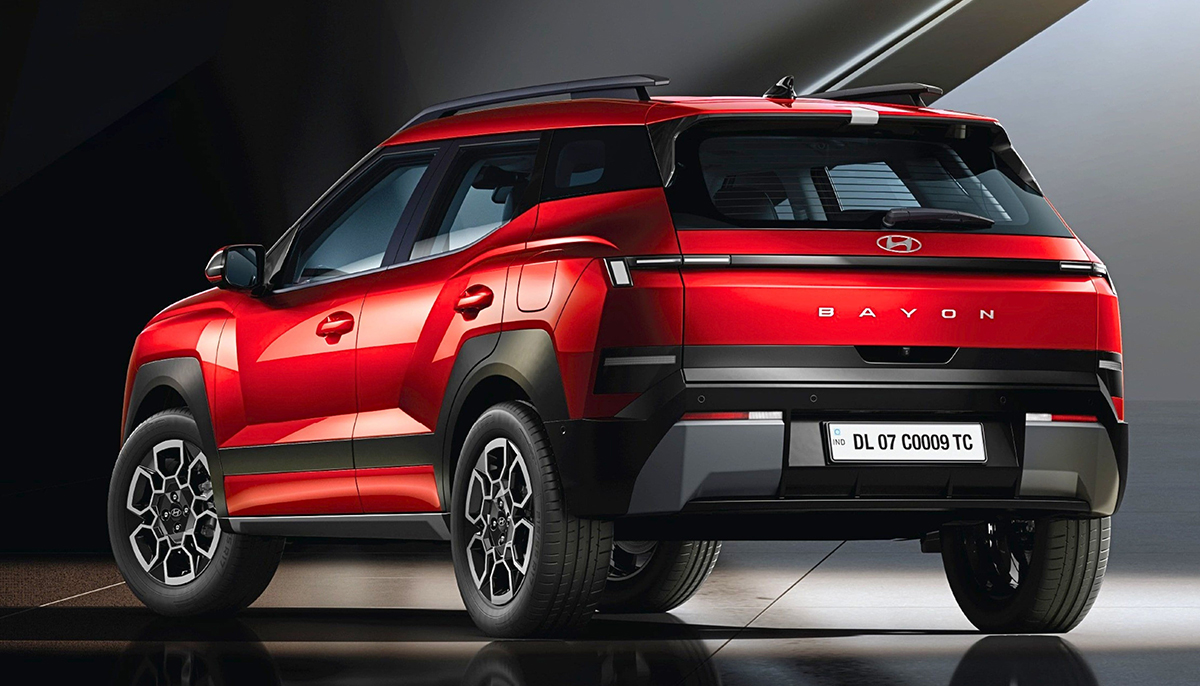
At the rear, the Bayon gets slim tail lamps integrated into a black panel, with the Bayon name prominently displayed across the tailgate. A roof spoiler and dual-tone rear bumper complete the exterior design.
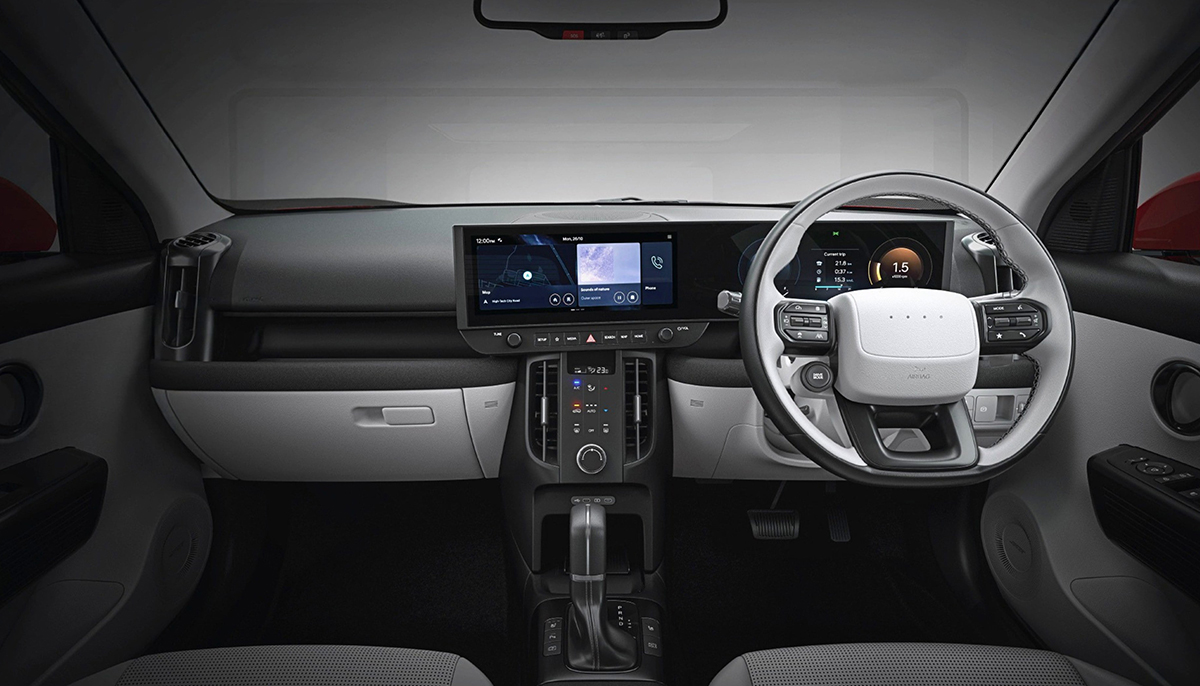
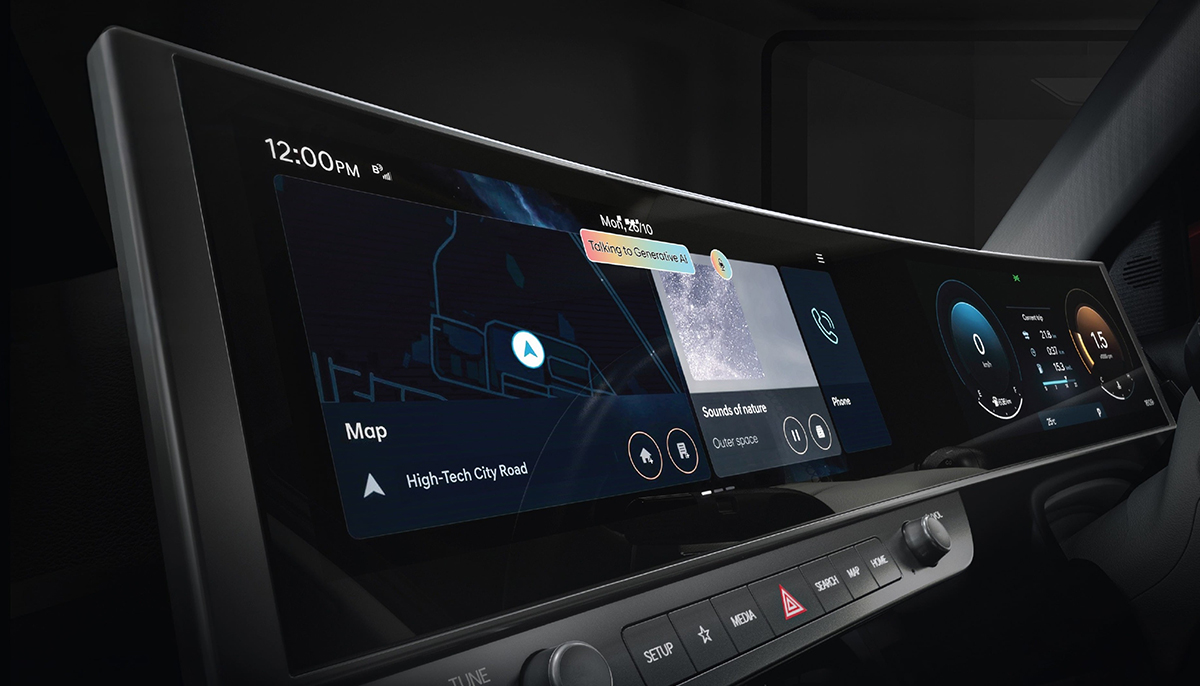
Inside, the Hyundai Bayon features a modern dashboard layout similar to the Brazil-spec i20. The cabin gets two 12.3-inch displays for the digital instrument cluster and infotainment system.
The centre console features physical climate-control buttons and dials, while other equipment includes steering-wheel controls, a wireless charging pad and paddle shifters, depending on the variant.
One of the key highlights is a generative AI-powered voice assistant designed to understand conversational requests. Using technology from Perplexity and SoundHound AI, the system can respond to queries related to weather, travel itineraries, hotel suggestions and restaurant recommendations.
The Bayon is also expected to offer Bluelink connected-car technology, over-the-air updates, onboard navigation and smartphone connectivity. Other expected features include advanced driver assistance systems (ADAS), a 360-degree camera, ventilated front seats and an auto-dimming rear-view mirror. The final equipment list will depend on the variant.
The new Hyundai Bayon will be powered by a 1.5-litre, four-cylinder, naturally aspirated petrol engine producing 115hp and 144Nm of torque. The engine will be paired with either a six-speed manual gearbox or a CVT automatic transmission, which Hyundai calls an Intelligent Variable Transmission (IVT).
In India, the Hyundai Bayon is expected to be priced between INR 9 lakh and INR 15 lakh (ex-showroom). The official prices are scheduled to be announced on October 26, 2026, while deliveries are expected during the festive season.
If launched in Nepal, the Bayon would expand Hyundai’s SUV portfolio with a model positioned between the Venue and Creta. Its pricing and equipment package will be key factors in determining its competitiveness in Nepal’s SUV market.







Second-Gen BYD Atto 1 Pre-Orders Open in China

Hyundai Bayon Bookings Open in India Ahead of Launch